

If you find this article interesting, click the like button for me! I would greatly appreciate it :)
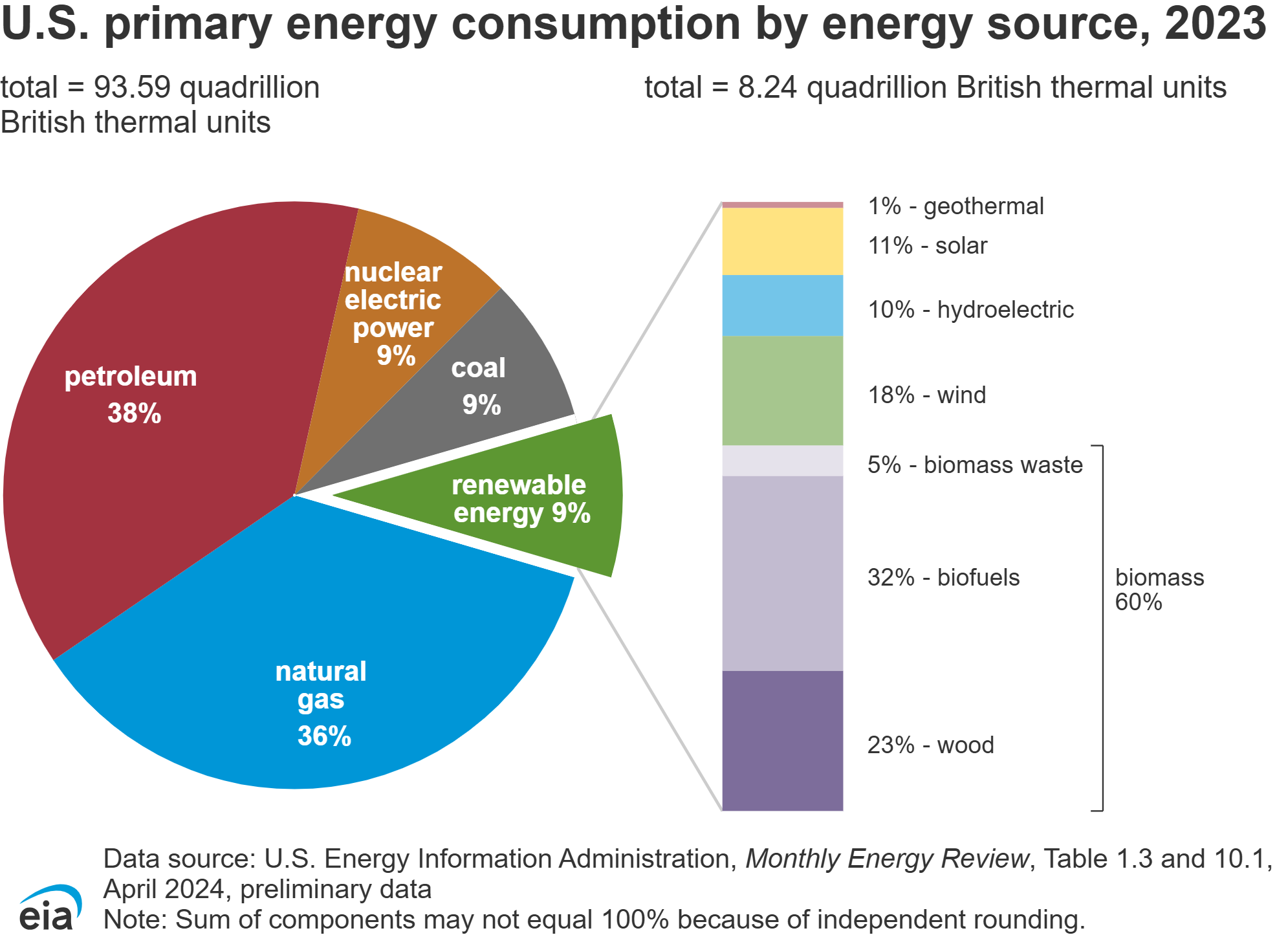
Energy consumption encompasses more than just electricity. While renewables accounted for 21% of electricity in 2023, they only account for 9% of total energy consumption. This also includes transportation, heating, and industrial use. While it would be nice to have a perfectly sustainable grid, the reality is different. In this series, I will highlight the roles of various energy sources and their outlook. For the year 2023, fossil fuels accounted for 82%, nuclear 9%, biomass 5.4%, and renewables 3.6%.
This is a series I’m going to do where I will research and update my outlook on each energy industry: renewables, batteries, nuclear, and fossil fuels. This week is about next-generation energy sources.
Geothermal
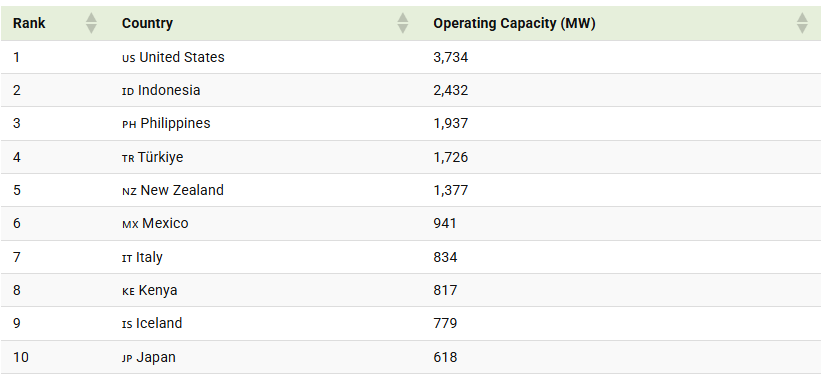
Most people think geothermal energy is a niche technology, something Iceland does because it sits on top of a bunch of volcanoes. They’re not entirely wrong, as geothermal currently generates roughly 1% of global renewable electricity. The 17 GW of installed capacity worldwide is less than what the US adds in solar capacity in a single year. The US actually has the most operating capacity, followed by Indonesia, the Philippines, Turkey, and New Zealand.
The issue with traditional geothermal has always been geography. To extract heat from the earth economically, you need the right conditions near the surface. You need hot temperatures (volcanic activity), permeable rock, and water. That’s why the US capacity is 95% concentrated in California and Nevada. It is regionally unviable in most of the United States.

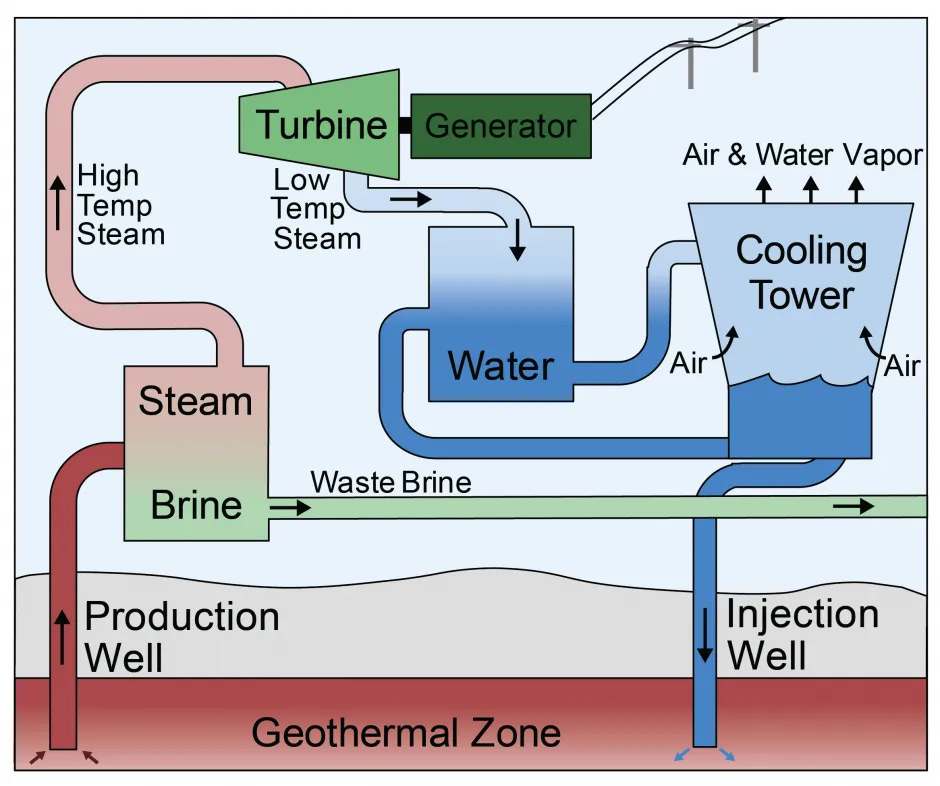
That limitation is what next-generation geothermal is trying to solve. Enhanced Geothermal Systems (EGS) are the name for the next-generation geothermal energy. The process involves drilling deep wells, hydraulically fracturing, and pumping water through the fractures to extract heat. By drilling deeper wells, it is possible to tap into hotter temperatures in more areas.
The concept isn’t new, but for decades, it was too expensive and technically unreliable to commercialize. The shale gas revolution sparked the drilling innovation to give the industry hope. They spent trillions of dollars perfecting exactly the drilling techniques. Engineers, often from oil and gas companies, started applying those skills to geothermal as well.
The leading company here is Fervo Energy. Fervo proved its concept in 2023 with a 3.5 MW pilot in Nevada that began feeding power to Google’s data centers. Currently under construction, the Cape Station in Utah is planning on delivering 100MW to the grid this year, with a large 400MW by 2028.
EGS is also being invested in by large oil companies like Exxon Mobil and Occidental Petroleum. The main limitation is cost. Geothermal projects carry capital costs of $3,000–$6,000 per kilowatt, which are roughly double wind or solar, and exploration and drilling alone represent 40–70% of total project costs.
Like most things in the US, permitting can take a long time, especially on federal land. The energy density and novelty will make it difficult and time-consuming to scale to truly make a dent in the overall energy mix. There are also seismic risks and fracking risks that need to be carefully considered, as public opinion can sway negatively if issues arise.
The IEA estimates that with continued cost reductions, geothermal could meet up to 15% of global electricity demand growth to 2050. IEA estimates are not good, but of course, if things progress, it may be a promising area. Geothermal has some of the lowest life cycle emissions of any energy source as well. This makes it attractive from a sustainability perspective as well.
Finally, with rising geopolitical tensions, national security and supply chains are high priorities. Geothermal does not require many strategic resources like batteries, solar, or nuclear.
Geothermal is not going to replace natural gas anytime soon, but EGS is crossing from science project to commercial reality in real time. Cape Station is expected to connect to the grid this year, more than you can say for some advanced nuclear reactors, given how promising those are. Costs are key to commercialization. Keep an eye out for this developing industry and see if it can get over its hurdles.
Fusion
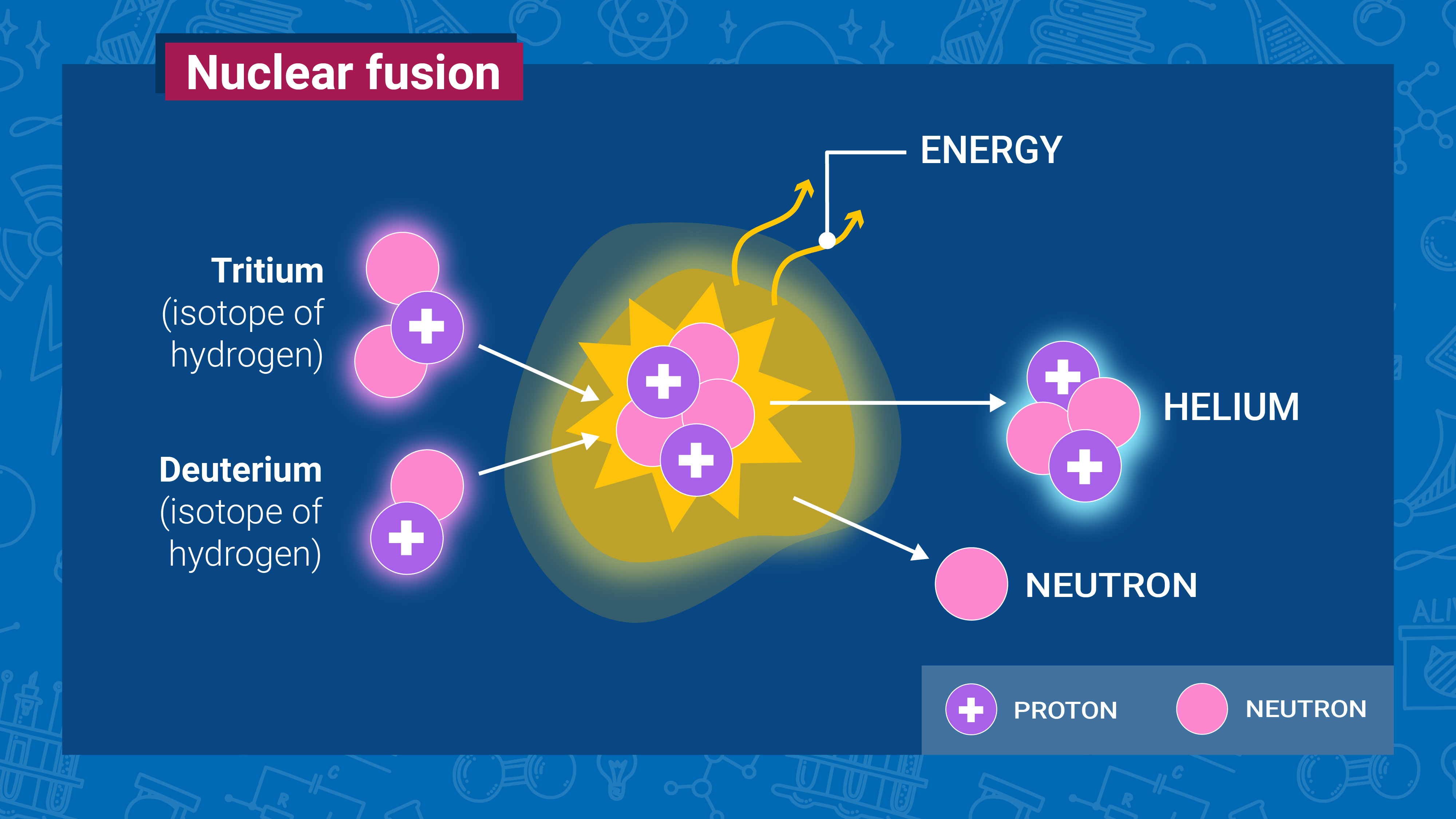
Nuclear fusion is the “holy grail” of energy, providing ~4x more energy than fission without the waste. Both are orders of magnitude more energy-dense than oil. Fusion is the process of combining hydrogen isotopes to produce helium, a neutron, and energy. Technologically, labs have been trying to ignite and sustain the reaction for decades, which has technological, financial, and engineering challenges. While there are plenty of conspiracies that the government is hiding fusion and other free energy generators, academic and private startups are working hard to make fusion work around the world.
For most of the past seven decades, that problem remained unsolved at any useful scale. In December 2022, the National Ignition Facility at Lawrence Livermore achieved a fusion reaction that produced more energy than the lasers used to initiate it. Private fusion investment has gone from $1.9 billion in 2021 to $9.7 billion by 2025, with over $2.6 billion raised in the last year alone.
There are a few types of designs, magnetic confinement (tokamaks and stellarators), which confine plasma and apply a magnetic field. The other type is inertial confinement fusion, which hits compressed fuel pellets with lasers. It is obviously very complicated, but this is a brief overview of the various avenues taken.
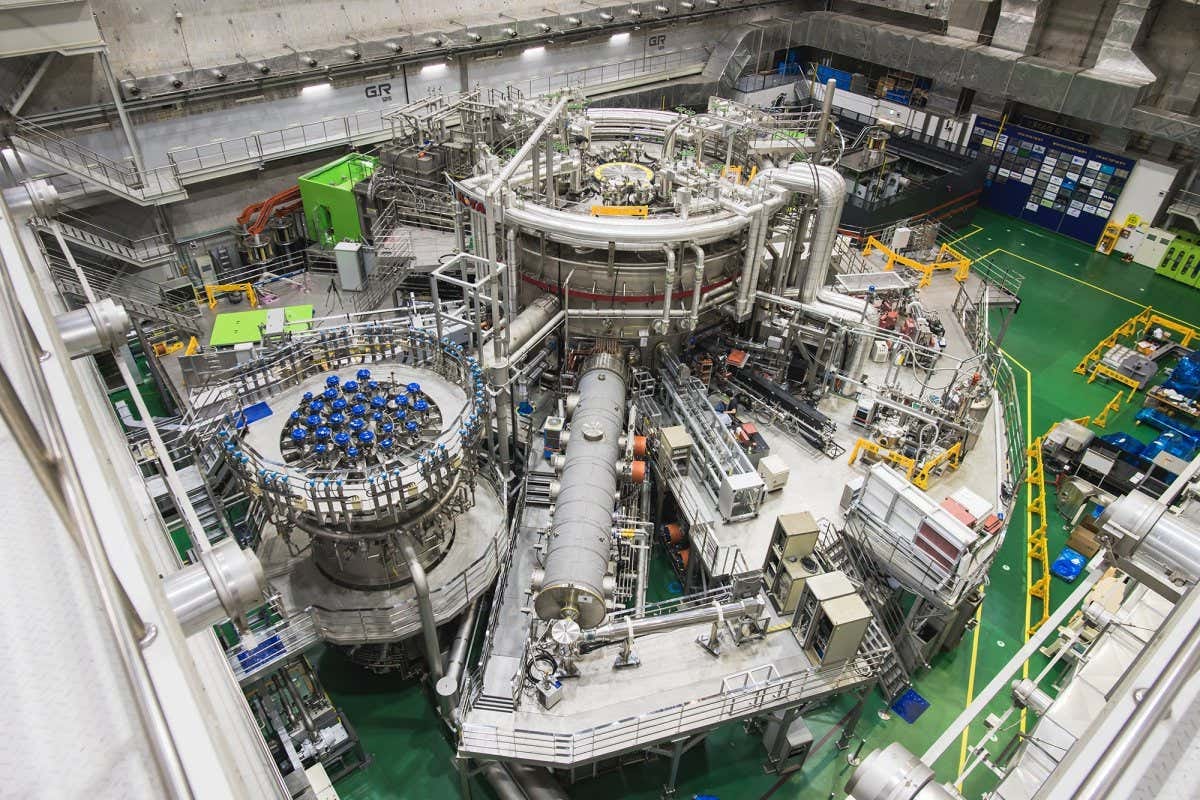
Commonwealth Fusion Systems (CFS) was spun out of MIT and is building a demonstration device called SPARC in Massachusetts. Their edge is high-temperature superconducting magnets that are dramatically more powerful than anything previously used in fusion research. SPARC is currently 60% complete, with a commercial facility called ARC planned for Virginia in the early 2030s under a 200 MW power purchase agreement with Google. NVIDIA, Bill Gates’s Breakthrough Energy, and Khosla Ventures are among their backers.
Helion Energy is backed by Sam Altman and $500 million in prior funding rounds, taking a completely different approach using pulsed fusion with direct electricity generation (skipping the steam turbine step). Helion broke ground in July 2025 on Orion, what it’s calling the world’s first commercial fusion facility, in Malaga, Washington. They have signed a power purchase agreement with Microsoft, committing to deliver at least 50 MW of fusion electricity by 2028, which is aggressive to say the least.
TAE Technologies has an unconventional approach using a field-reversed plasma configuration that avoids some of the magnetic containment complexity of a tokamak. TAE merged with Trump Media & Technology Group in a deal valued at $6 billion in December 2025.
The DOE released a formal Fusion Science & Technology Roadmap in October 2025, targeting fusion power on the grid by the mid-2030s. The skeptical reading is that the DOE roadmap also acknowledged critical gaps in materials science, tritium supply chains, and regulatory frameworks that don’t yet exist for fusion.
While fusion might actually be 10 years away instead of 20, there are many challenges. Not only are there scientific and engineering hurdles to overcome, but they will also need to overcome the scale, commercialization, and supply chain hurdles. Tritium supply is problematic, as well as the material degradation of the fusion reactor walls.
The funding is real, the milestones are real, and the scientific progress over the last three years has been genuine. However, fusion on the grid before 2032 requires everything to go right simultaneously. Fusion is much more of a bet on the future, in an industry riddled with skepticism for decades. While further away, progress has actually been made on fusion and is worth keeping an eye on.
-Grayson
Socials
Twitter/X - @graysonhoteling
Archive - The Gray Area
Notes - The Gray Area
Promotions
Sign up for TradingView
As another article on fusion pointed out, can't remember where, even if we finally get a working power plant going it will still be as expensive as building a fission plant, if not more. So the "free endless energy" doesn't quite pan out, though there is an inevitability about fusion once uranium and thorium supplies are tapped (which is hundreds of years away I think). And yeah the tritium problem, most of our supply is half-lifing away as we speak and we'll need more heavy water fission reactors or mining the moon to resupply the stockpile (though one fusion reactor design breeds it's own tritium...and there are other fuels but they require even higher plasma temperatures to ignite).