

If you find this article interesting, click the like button for me! I would greatly appreciate it :)
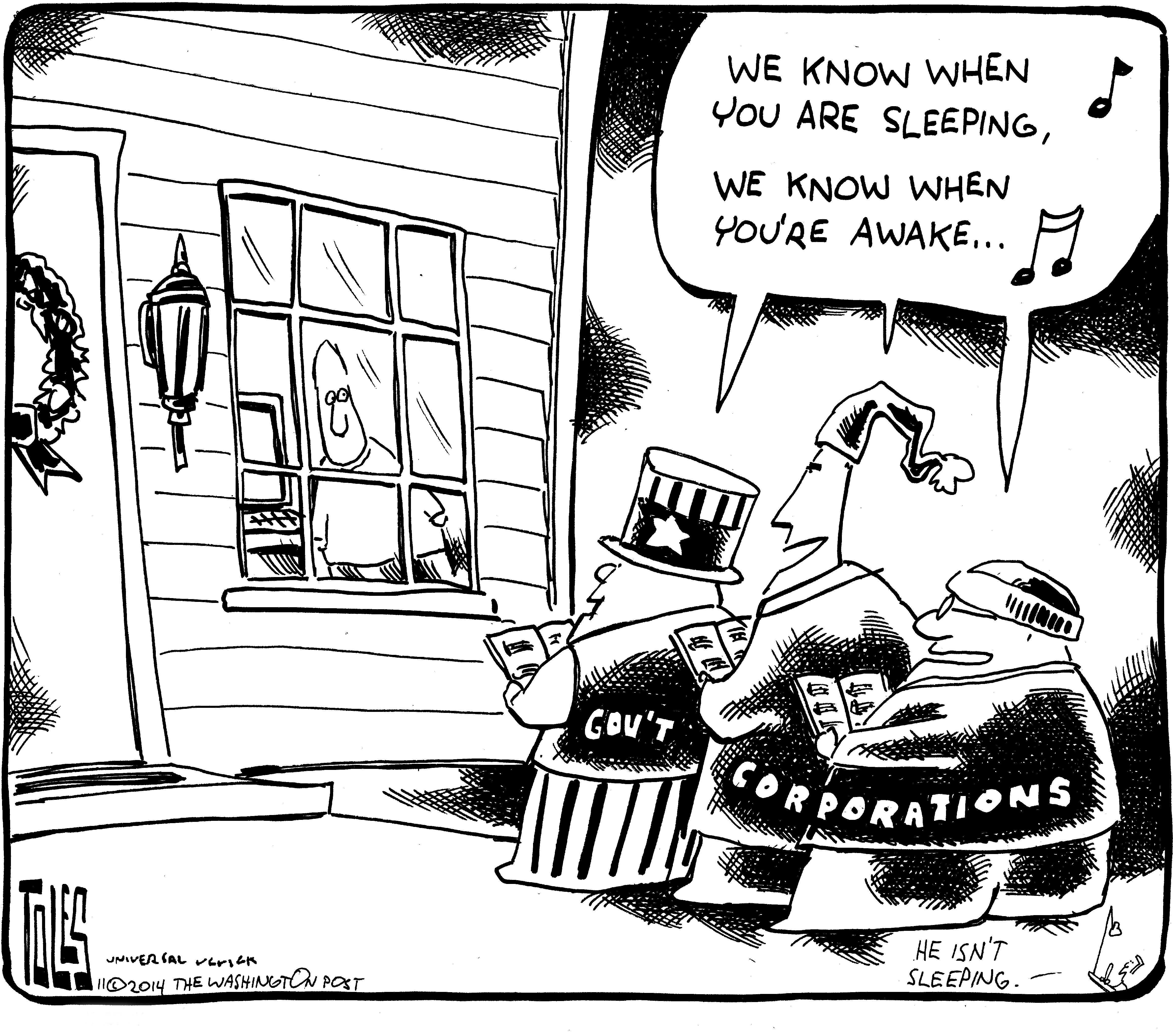
The government has its hands in most things these days, like university education, healthcare, the environment, and money. It may seem as if there’s something they aren’t involved in, but they probably will be soon. For better or (probably) worse, it’s a natural tendency for the state to get more involved over time, especially with the power over money. Other than regulation, one area that the US government hasn’t assumed direct control over in a long time is corporations.
Open capital markets and a trustworthy corporate structure are what accelerated the US into the economic powerhouse it is today. State-sponsored corporations are common around the world, mostly held by developing nations or authoritarian regimes. Whether the fascist regimes of Hitler and Mussolini in the 30s/40s, or the resource-rich nations of South America today, it is tempting for governments to assume stakes in key companies to ensure better outcomes for the nation and its people.
Most often, these good-intended decisions don’t have the intended outcomes. The fascist regimes of the WWII era left companies in worse shape by inserting less competent management and reducing competition. In resource-rich nations today, the state may gouge profits from the corporations and decrease investability because of inefficiency and higher costs. It is a good thing that in America the free, we don’t have such harmful practices…
If you didn’t catch that sarcasm, I first wrote about the federal government’s increased meddling with private companies in a previous piece, O Capitalism, Where Art Thou? In it, I discussed the Trump administration granting export control licenses to NVIDIA and AMD, conditional on 15% profits to the government. While not taking a direct stake in companies, it has direct control over business operations.
Since then, the government under Trump has taken stakes in Intel, MP Materials, Lithium Americas Corp, Trilogy Metals Inc, and US Steel. The reasons are clear. Each encompasses industries with strategic national security interests. Chips, rare earths, battery metals, and industrial might are all crucial in a deglobalizing world. Not only that, they have announced intentions to take stakes in defense contractors like Lockheed Martin and quantum computing companies. Taking it one step further, they have seemingly even floated the idea of taking over Canada and Greenland.
I am overall not fond of government involvement in the economy, but there are often its success stories. Airbus has grown to be a competitor to Boeing through European support, and CATL has grown to be the dominant battery cell manufacturer through state support as well. While mercantilist actions certainly help nations and companies achieve certain goals, like spurring globally competitive industries, national security, and bridging early corporate development, there are some very significant drawbacks. These include picking winners and losers, moral hazard, party favoritism over the best candidates, reducing innovation, and reducing competition/increasing strategic vulnerability.
While I understand the desire to take hold of these industries, especially considering the stranglehold China has on key resources and manufacturing, it does not solve the root cause of these issues and introduces more problems in the process. The main reasons for the position we are in now are primarily the dollar reserve currency favoring imports, followed by things like labor/price controls and energy regulations increasing costs.
Further, by adding government control, winners and losers are not picked, but are earned through competition. Is Intel the best chip company? Probably not. What about other lithium mining companies? Moral hazard is introduced, as now these companies are more likely to be given a bailout, so success is more or less guaranteed regardless of the quality of the produced output. Party favoritism is especially true in authoritarian regimes, but you don’t think the Trump administration is favoring certain board members or officers? You can see the attempted manipulation of the Federal Reserve board. With government control, there may be sponsored projects that reduce innovation and new regulations that increase costs by limiting suppliers and customers. Finally, while this may improve national security, it can also increase vulnerability by building too much reliance on certain companies.
Why are most internet companies in the US horrible? They are state-sponsored regional monopolies that don’t have to compete for customers. Whether the small stakes cause these problems right away is hard to tell, but the actions have consequences. The US may be in a better position with its supply of critical resources and chips, and it is not a fascist nationalizing takeover, but does this help the nation and companies in the long run? I would reckon no. Until next week,
-Grayson
Socials
Twitter/X - @graysonhoteling
Archive - The Gray Area
Notes - The Gray Area
Promotions
Sign up for TradingView